
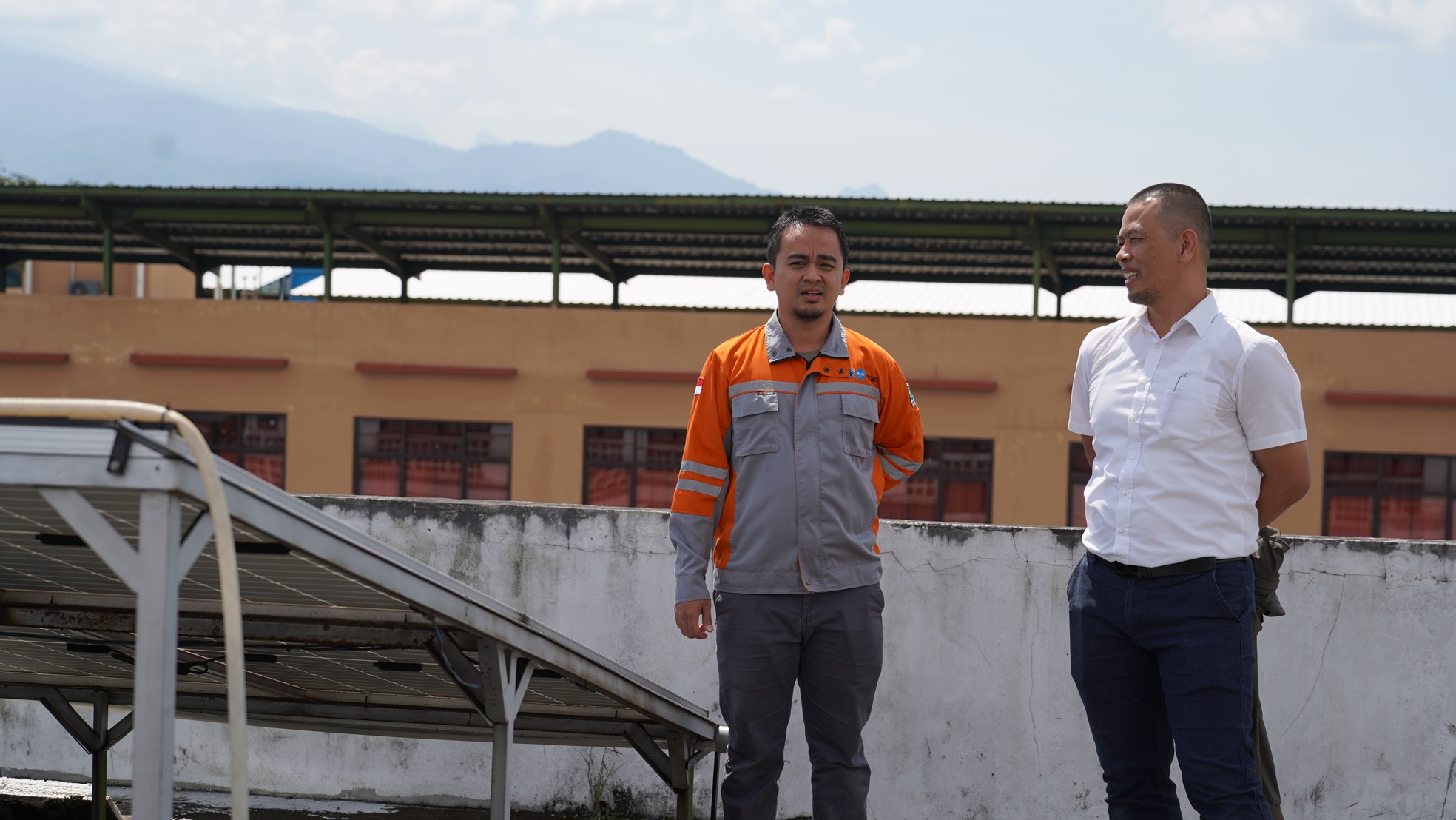
Politeknik Negeri Jember (Polije) has been selected as a pivotal partner for the GESIT (Green Jobs for Social Inclusion and Sustainable Transformation) project, setting the stage for collaborative efforts in promoting green jobs and sustainable skill development within vocational education.
A delegation from the GESIT project visited Polije to engage in discussions with campus leadership and faculty. Their visit underscored the project’s commitment to strengthening green skills across vocational education systems, focusing on both Indonesia’s development goals and environmental sustainability.
The GESIT project is dedicated to building competencies in green sectors—such as renewable energy, sustainable agriculture, and eco-friendly technologies—through a dynamic upskilling framework. In this context, vocational institutions like Polije are being positioned as catalysts in equipping learners with relevant expertise.
During the visit, the GESIT team and Polije leadership exchanged perspectives on integrating green competencies into curricula, including technical-training modules, hands-on learning, and targeted faculty development. The goal is to create a robust framework that aligns industry demand with educational outcomes.
Polije administrators expressed keen interest in embedding sustainability into their curriculum and institutional practices. They welcomed the opportunity to collaborate with GESIT in designing programs that reflect both local needs and global environmental imperatives.
In response, the GESIT delegates highlighted plans to pilot joint initiatives—potentially encompassing the design of specialized training programs, certification of green skills, and co-hosted events that connect students, industry insiders, and policymakers.
With Indonesia’s ambition to shift toward inclusive, sustainable economic growth, Polije’s collaboration with the GESIT project marks a strategic advancement. It demonstrates how vocational education can play a transformative role in fueling the green transition.
As both parties move forward, they have committed to further planning meetings and detailed follow-up to operationalize joint projects. This partnership represents a meaningful step in strengthening green workforce development through institutional collaboration and shared vision.