
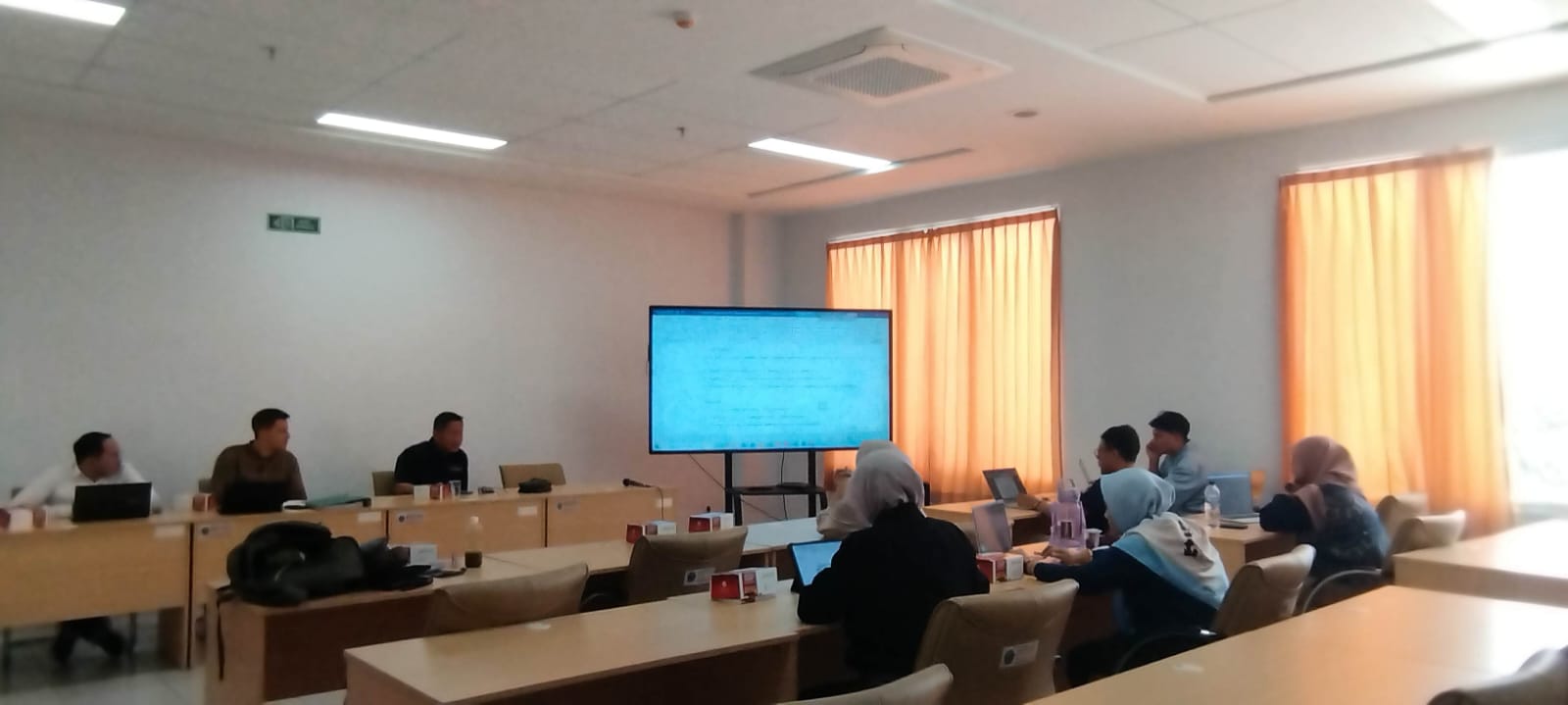
The third day of the workshop at Politeknik Negeri Jember (POLIJE) closed with a reflective session that brought together teachers, participants, and consultants to evaluate the lessons on sterilized milk production. This session provided an opportunity to consolidate learning, share insights, and set directions for future improvement.
POLIJE teachers welcomed feedback with openness, highlighting their commitment to continuous growth in teaching methods. They emphasized that clarity in instruction and the integration of deeper problem-solving strategies would be prioritized in upcoming PBL sessions. The reflective format encouraged honest dialogue and collaborative learning.
Consultants from Skills for Competitiveness (S4C) reiterated the value of reflection as a vital component of the learning cycle. They commended POLIJE’s willingness to adapt and refine its practices, noting that this readiness to evolve is essential for institutions striving toward global standards of excellence.
Participants expressed their appreciation for the day’s activities, particularly the opportunity to compare sterilization with pasteurization processes. This comparative perspective enriched their understanding of dairy processing and highlighted the practical differences between methods of ensuring food safety and extending shelf life.
The discussion also brought attention to the importance of embedding reflective practice into both teaching and industrial training. By encouraging participants to evaluate not only what they learned but also how they learned it, POLIJE demonstrated its commitment to cultivating critical thinking as part of vocational education.
Teachers underscored that reflection sessions are not only beneficial for participants but also serve as valuable feedback loops for educators. Insights gained from participants’ comments will directly inform the refinement of lesson plans and laboratory practices, ensuring that learning outcomes continue to improve.
This activity also reflected POLIJE’s broader strategy of integrating academic excellence with industry relevance. By adopting reflective practices alongside technical training, the institution strengthens its reputation as a forward-looking polytechnic committed to producing graduates with both technical expertise and adaptive thinking skills.
As the day ended, participants left with a deeper sense of accomplishment, carrying forward practical skills, theoretical knowledge, and reflective insights. The session reinforced POLIJE’s vision of becoming a polytechnic of excellence—one that not only imparts knowledge but also nurtures the capacity for lifelong learning and innovation.