
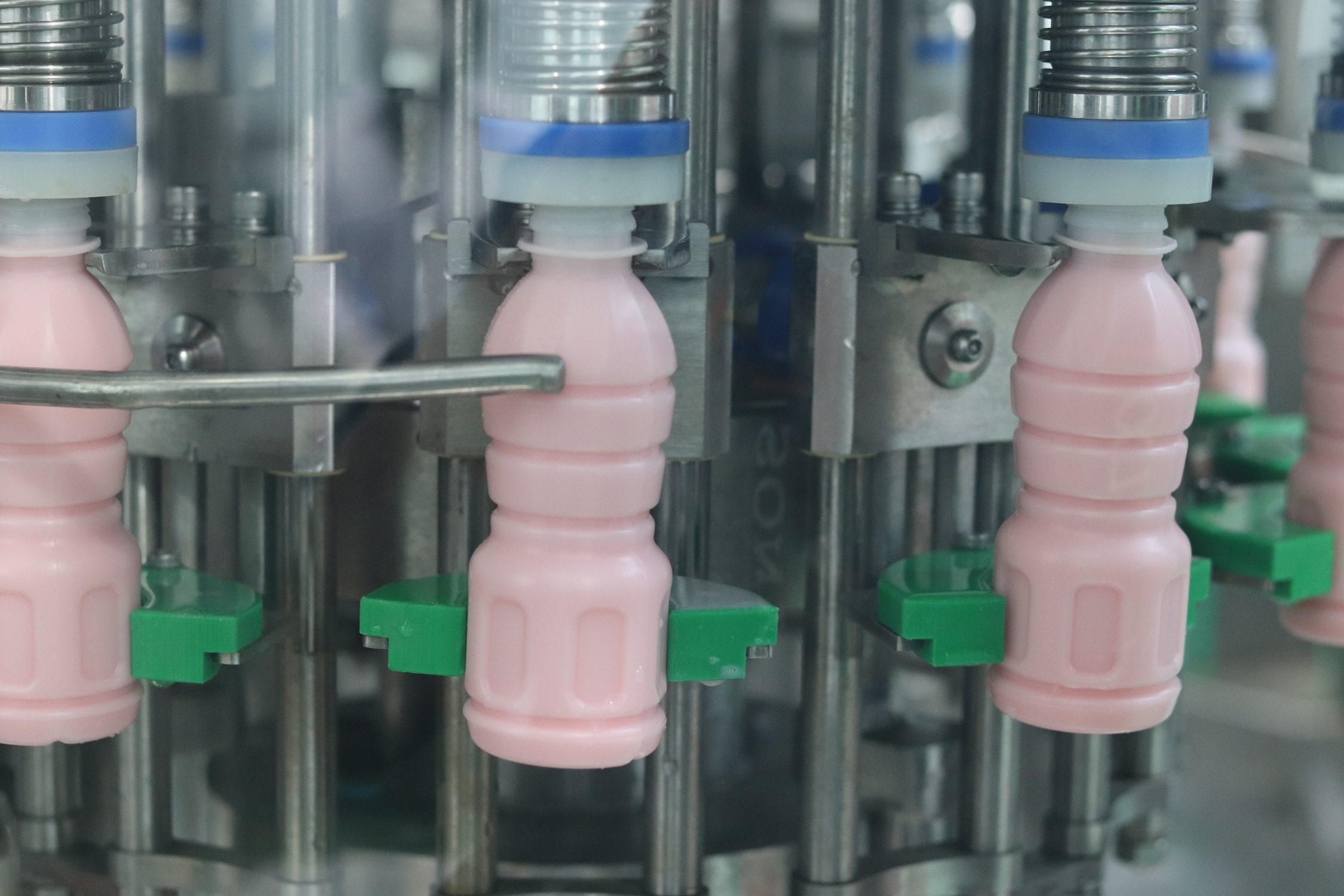
The Politeknik Negeri Jember (Polije) has reaffirmed its dedication to sustainable development goals (SDGs) by advancing its innovative teaching-factory unit known as “TEFA Milk.” This initiative embodies the institution’s ambition to merge vocational education, applied research, and community service in support of national and global sustainability agendas.
TEFA Milk is designed as a hybrid learning-and-industrial environment where students engage directly in the production, research, and distribution of dairy-based products. By doing so, Polije positions itself not only as an educator, but as an active contributor to food security, local industry and social value creation.
Through the TEFA Milk unit, students participate in the full value chain of dairy production—from sourcing raw milk, processing and packaging, to marketing the final product. This hands-on approach aims to cultivate skills aligned with industry standards while at the same time generating outcomes that benefit the local community and economy.
Polije emphasises that the initiative advances several SDGs, particularly those related to zero hunger (SDG 2), decent work and economic growth (SDG 8), industry, innovation and infrastructure (SDG 9), and responsible consumption and production (SDG 12). By integrating applied vocational training with real-world production, the campus is helping to bridge the gap between education and sustainable development.
Partnerships with local farmers, cooperatives and industry players are central to the TEFA Milk model. By sourcing raw material from nearby dairy farmers and engaging in local supply chains, the program contributes to rural livelihoods, strengthens linkages between campus and community, and enhances regional economic resilience.
Moreover, TEFA Milk serves as a laboratory for innovation and value-added product development. Students and faculty collaborate to create new dairy products, improve packaging, adopt modern processing technology and develop business strategies. These innovations help the campus move beyond traditional teaching into an ecosystem of learning, production and entrepreneurship.
Polije also reports that by positioning the teaching-factory as a reference centre, the campus enables vocational learning that is both responsive to industry demand and socially relevant. Students gain competences that extend beyond classroom theory to include production management, quality assurance, supply chain coordination and market insight—skills that are vital in the modern economy.
By embedding TEFA Milk within its broader institutional strategy, Polije demonstrates that vocational higher education can play a proactive role in sustainable development. The initiative shows that campuses can be catalysts for socio-economic transformation, not only through educating individuals, but by creating systems of value that benefit society and the environment.
With TEFA Milk in full operation, Polije is charting a path where education, innovation and community service intersect. The campus sees this as a key milestone in its journey toward becoming a hub of applied excellence and sustainability. Through initiatives like this, Polije is preparing its graduates not just for local jobs, but for global challenges—equipped with skills, mindset and purpose to contribute to a sustainable future.