

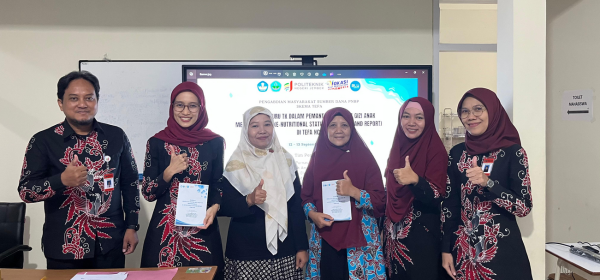
In a strategic move to combat childhood malnutrition, Jember State Polytechnic (Polije) has trained kindergarten teachers in monitoring children’s nutritional status using ENSTAR (E-Nutritional Status Assessment and Report), a digital application developed by the institution. The training on September 13, 2025 at Polije’s Nutrition Care Centre brought together representatives from 15 kindergartens in Sumbersari District, demonstrating how technology can revolutionize early childhood nutrition surveillance.
Led by nutrition expert Galih Purnasari, S.Gz., M.Si., the program aims to enhance teachers’ capacity in effectively tracking children’s growth through digital means.
“ENSTAR helps teachers easily record and analyze children’s growth data while providing nutritional recommendations that can be directly shared with parents,” Purnasari explained, highlighting the app’s potential to bridge the gap between educational institutions and families in nutritional monitoring.
The initiative underscores the crucial role of early childhood educators in nutritional surveillance, as emphasized by Clinical Nutrition Program Head Alinea Dwi Elisanti, S.KM., M.Kes., who opened the event.
“Kindergarten teachers play a strategic role in preventing nutritional problems as they serve as the frontline in monitoring children’s growth and development,” she stated, pointing to the program’s significance in early detection of malnutrition.
During the comprehensive training session, participants learned anthropometric measurement techniques and practiced using the ENSTAR application, gaining hands-on experience in digital nutrition assessment. The program concluded with the symbolic handover of the application and modules to Ni’matul Basroh from TK IT Buah Hati Kita, who committed to implementing the system, stating: “We are committed to implementing ENSTAR to more easily monitor our students’ nutritional status.”
This innovation represents a significant step forward in global efforts to address childhood malnutrition through digital solutions. By equipping teachers with modern tools, the program not only streamlines administrative processes but also fosters collaboration between educators and parents, ultimately contributing to better nutritional outcomes for children and setting a precedent for similar initiatives worldwide.