

In a groundbreaking initiative, Politeknik Negeri Jember (Polije) has launched a multifunctional digital marketplace tailored for farmers. This platform enables users not only to conveniently purchase essential agricultural supplies—such as fertilizers, botanical pesticides, and farm equipment—but also to access critical health and safety information directly within the application interface.
The initiative emerged from Polije’s dedication to community service and innovation, integrating faculty, students, and alumni with industry partners to design a tool that goes beyond typical e-commerce. Developed by a team led by Budi Fajar Supriyanto and alumnus Naufal Dzaki Murtadho, the marketplace offers pop-up educational content that teaches farmers about health risks, safe pesticide usage, soil fertility, and hygiene practices like handwashing after fieldwork.
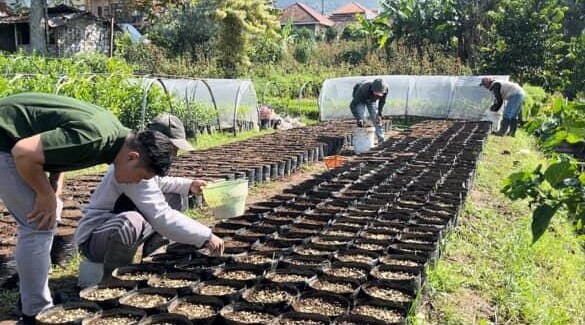
From April to September 2025, the platform was piloted in Desa Punten—an agriculturally rich village—where farmers were not just passive users but active co-developers. Their daily routines, challenges, and insights shaped the platform’s design, making it highly relevant and user-friendly. Farmers like Muklis noted that the marketplace helped him choose safer products and expressed hope that in the future he could even sell his harvests through the same platform, reducing dependency on middlemen.
Behind the scenes, Polije’s regional PSDKU laboratory in Ngawi, together with industry partner CV Nabilfi Diamond Sthanin Grow, is analyzing usage data and developing an early warning system aimed at monitoring farmer health. This addresses a critical gap, as many farmers remain unaware of protective gear or sustainable farming practices.
Although built with sophisticated goals, the platform was intentionally designed to be simple and inclusive. By blending transaction services with bite-sized educational content, it makes sustainable behaviors more accessible and fosters lasting change in rural agricultural communities.
“This platform embodies the principle that farmers deserve both knowledge and convenience in their daily work,” said Budi Fajar. His statement captures Polije’s broader vision of empowering farmers not just as consumers, but active agents of innovation and guardians of national food security.
Despite existing challenges—such as limited rural internet access and varying levels of digital literacy—the project demonstrates how intuitive, locally contextualized technologies can spark meaningful transformation. By delivering content in human-centered ways, Polije is helping to bridge the urban-rural digital divide and enhance community resilience.