

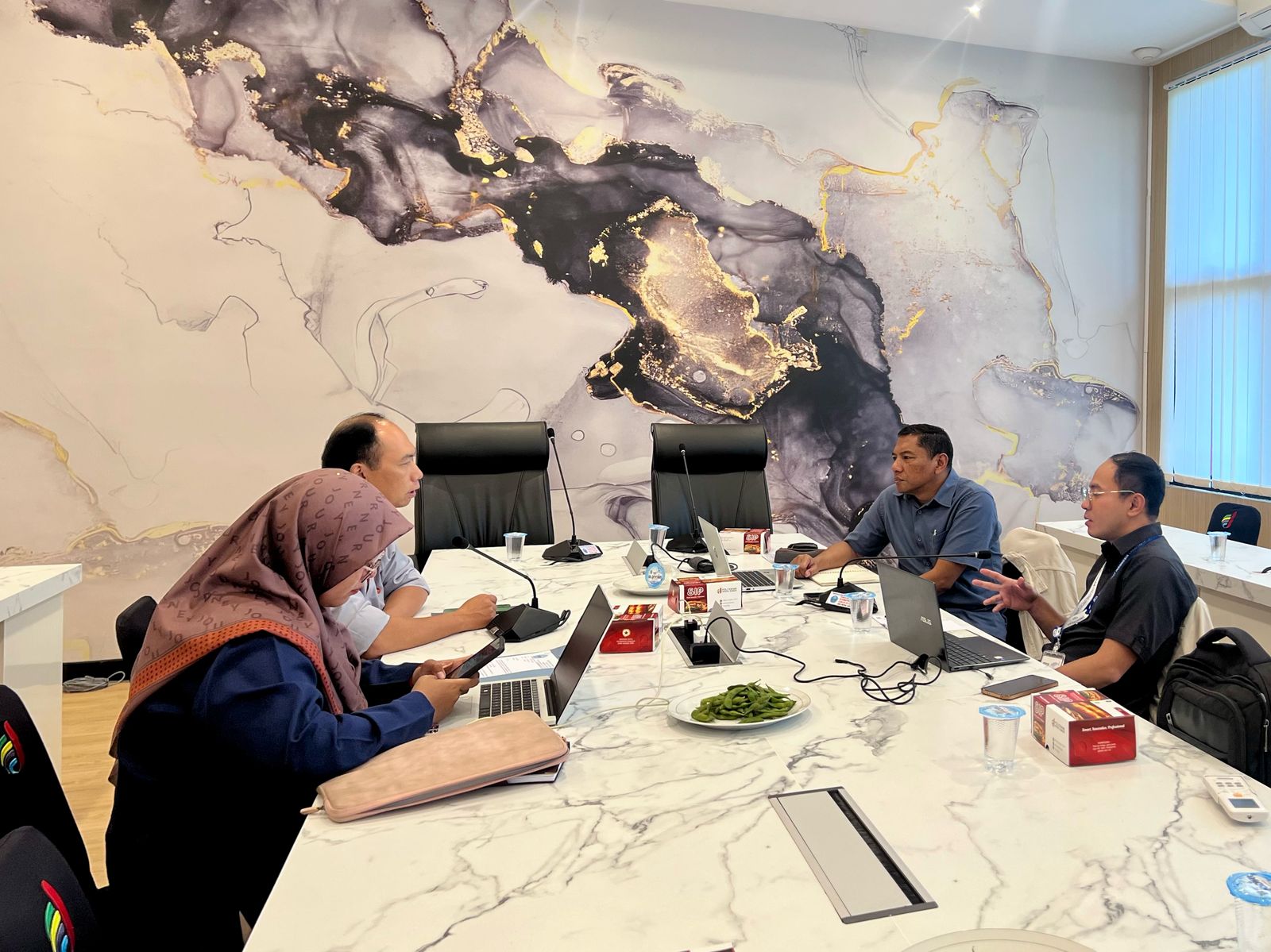
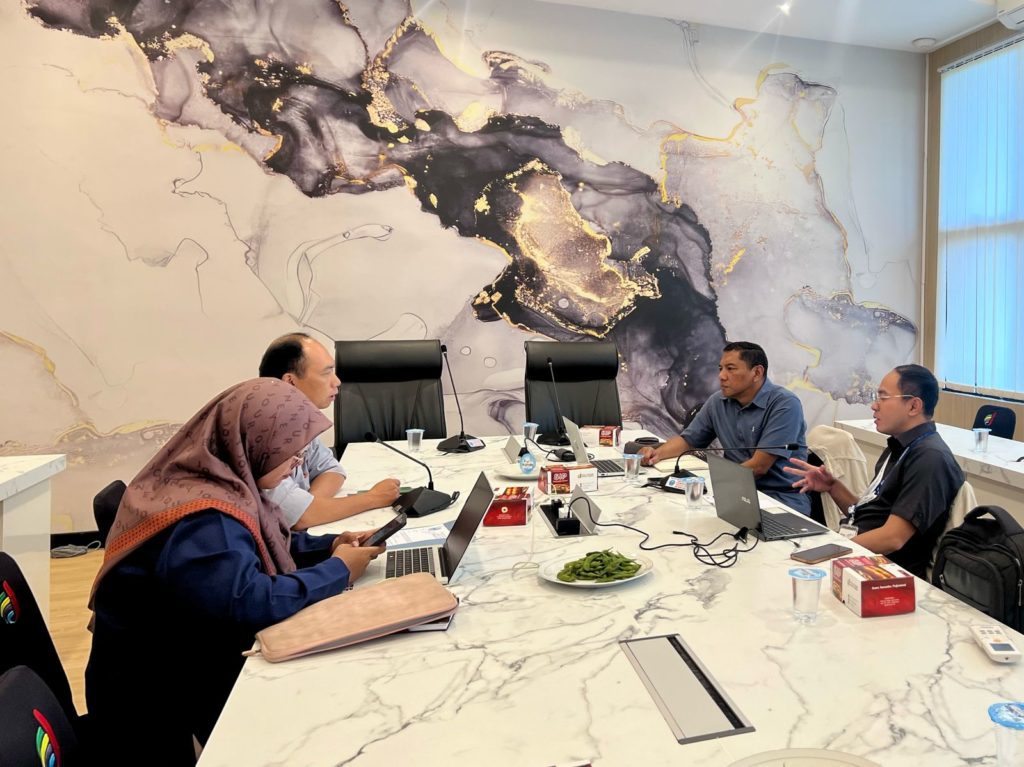
Politeknik Negeri Jember (POLIJE) recently conducted a technical meeting to prepare for the upcoming training on “Institutionalization of Waste Facility,” which will be held on the 5th floor of the TP Building. This training is a key part of POLIJE’s efforts to promote sustainability and support its Green Campus initiative under the framework of the Sustainable Development Goals (SDGs). In support of this program, the Director of POLIJE has issued an official assignment letter appointing several staff members to serve as the Task Force Team for the SDG Green Campus. These staff members will play an active role in implementing and managing the waste facility project on campus.
The training will also involve student participation, allowing them to be directly engaged in the waste management facility project. This hands-on experience is expected to enhance their practical understanding of sustainability and waste handling, which are increasingly important in today’s job market. The initiative is further supported by S4C (Support for Capacity), which plays a key role in facilitating this program by bringing in a professional consultant from Waste4Change—a well-known organization in sustainable waste management.
Dr. Wendy Triadji Nugroho, ST, M.MT., M.Sc.Eng., Ph.D., as the Head of the SDG Task Force at POLIJE, stated, “The upcoming training is intended for our task force team. The goal is to ensure the formation of a comprehensive training on waste management with topics covering Institutional, Technical Operation, and Financing.” Meanwhile, Kiki Hendarin from S4C emphasized, “This initiative is a great step for POLIJE to move ahead of other vocational institutions. Industries today are not only looking at students’ academic backgrounds but also their skills and understanding of waste management—an essential competence across all sectors.”
This initiative is expected to become a model for integrating academic institutions with practical sustainability efforts, demonstrating that vocational education can lead innovation in environmental solutions. By collaborating with professionals and involving students early on, POLIJE is fostering a new generation of environmentally conscious graduates who are ready to contribute to sustainable industries.
Looking ahead, the waste facility project is envisioned not only as an infrastructure development but also as a long-term educational platform. It will serve as a living laboratory where students, staff, and external partners can explore, innovate, and implement real-world waste management solutions that align with the global SDG agenda. (rda)